Saturday, 11 January 2014

Around Sikkim

Threesome - A Shrine, a Monastery and a Flower show


Sepoy Harbhajan Singh of the Punjab Regiment went missing while leading a pack of mules from his battalion close to 40 years back. A hunt was launched and they located his body 3 days later in a stream, the cause of his death was probably due to drowning. Soon after, soldiers reported that the Sepoy had appeared in their dreams; some even could see him patrolling the area every night in full uniform, including the enemy across the Border. The shrine, built in his honor, lies on the road to Nathula Pass and is visited by scores of people each day.  Each year in September Baba takes his annual leave and travels back to his hometown in Punjab.   A berth on a train is reserved in his name and a soldier accompanies him on this journey.  
 The Nathula pass is some distance away from here and needs a special permit if you want to visit and see the Red Army across the Border. The weather here is extremely cold and chilly, considering we are at a high altitude so we decided to give it a miss, though the Baba Mandir visit was well worth the time


Rumtek Monastery in Gangtok - The monastery is the largest by far in Sikkim. It is also the home to a multitude of Buddhist monks, the place where they perform sacred rituals and practices of their lineage. The Monastery houses several sacred objects within its complex, and the most magnificent is the Golden Stupa, which contains the precious relics of His Holiness the Sixteenth Karmapa. Opposite that building is a college for religious studies.  Inside, the spacious, intricately decorated Main Shrine Hall is supported by robust red pillars. Long, silk banners and ancient Thangka Paintings hang from these columns


Housed in the hall on either side of the main shrine is a large set of religious texts. Behind the south wall of the monastery a path leads to the consecrated stupa. At the beginning of the walkway is a steep footpath, lined with prayer flags whose colors symbolize the five elements: blue for iron; white, water; red, fire; yellow, earth; and green, wood. Some are printed with prayers for prosperity and well-being. The flags lend a festive air to the hill. At the top of the hill is the Tenkhar, a small home built for the dharma protectors and local deities.


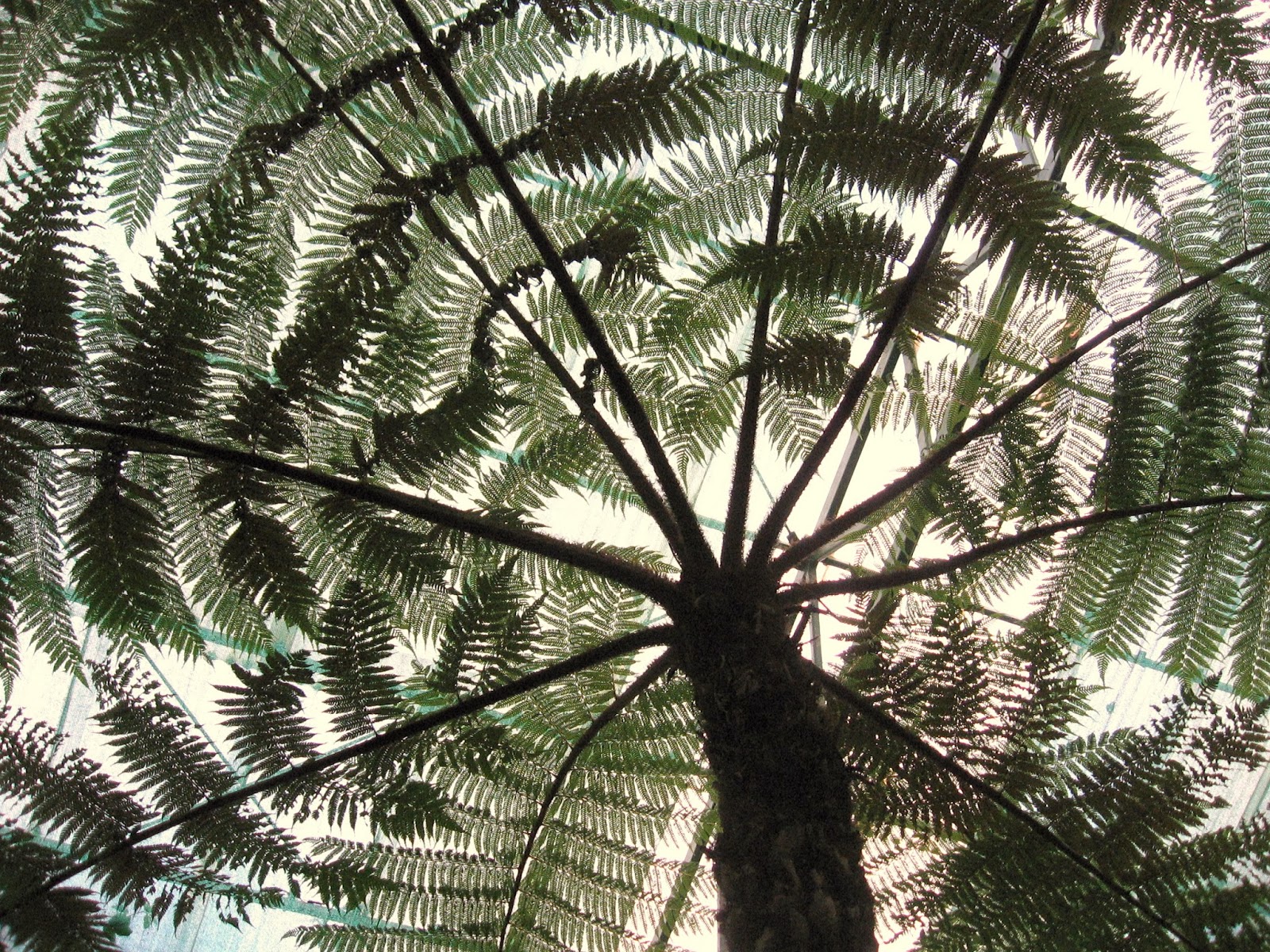
Sikkim is home to around 5,000 species of flowering plants, including rare orchids, Primula & Rhododendrons It also grooms a variety of Bamboo species, Conifers, ferns and medicinal plants. The orchid Dendrobium nobile is the official flower of Sikkim, while the rhododendron is the state tree. International Flower shows are a regular occurrence, though the one we saw was of a much smaller proportion. The venue was near White Hall, not far from Gangtok. Some amazing species of Orchids were on display so also a variety of ferns.


More on Sikkim to follow in my next Blog.....

Saturday, 4 January 2014

Around Kolkata


Enroute to Sikkim, we took a day long halt in the erstwhile British Capital City for a quick sightseeing.  Our hotel was located close to the river Hooghly in a dilapidated area, made me think that we were better off staying in the Airport waiting area instead. The train for Sikkim was scheduled for the night so we had an entire day at our disposal. We had already made a list of things to see – primarily the Banyan Tree, Victoria Memorial and the Dakshineshwar Temple
Kolkata is subject to a tropical wet-and-dry climate. Summers are hot and humid, and an occasional tourist may find it uncomfortable to move around during daytime in the stifling heat. Ambassador taxis are still in existence here and doing a thriving business, we hired one for the entire day   


Our first stop was the Banyan tree in the Botanical Gardens. The widest tree in the world looks more like a forest than an individual tree and is estimated to be about 200 to 250 years old. It finds mention in the Guinness Book of Records for this. It became diseased after it was struck by lightning, so the main trunk of the tree was pruned to keep it healthy; and it continues to grow day by day spreading its areal roots across the Botanical Gardens


Stop 2 – the Dakshineswar temple dedicated to goddess Kali. The temple, constructed in Navratna style, with 12 spires rises over 100 feet high. There are 12 other temples dedicated to Lord Shiva in the vicinity. The enormous courtyard was thronged by devotees and tourists, today being a weekend. The famed religious thinker Rama Krishna Paramahamsa achieved his spiritual vision here, it must have been indeed a hallowed precinct during his days with the Ganga (Hooghly) flowsing besides the temple. His room, located nearby is open to tourists. Another nearby attraction is the Belur Math which is the headquarters of the Ramkrishna Mission founded by Swami Vivekananda. The architecture of the Temple derives its influence from a number of religions, to convey the "universal faith" in which the movement believes. It has a good Book Store selling Philosophical literature; you may find loads of books on Yoga, Swami Vivekananda and his life and an extensive collection on the Upanishads  


Final destination - The Memorial constructed by Lord Curzon, the Viceroy of India, on the death of Queen Victoria, a stately, spacious, grand building with an exquisite garden. Sir William Emerson, President of the British Institute of Architects, designed this building, while the work of construction was entrusted to Messrs. Martin & Co. of Calcutta. King George V, the Prince of Wales, laid the foundation stone on January 4, 1906 and it was opened to the public in 1921. The visit proved eventful as we witnessed a Tollywood film being shot here. In Kolkata people idolize Uttam Kumar, but we sighted the other Star who is a Bengali and has gained more popularity in Bollywood instead - Mithun Chakarborty.   


Friday, 3 January 2014

Mawsmai - the Wonder Cave

The Wettest place on Earth; Cherrapunji, also has a unique distinction in housing one of the largest collection of limestone caves in India. These limestone caves are a virtual storehouse of huge dark Stalactites and Stalagmites. A nature lovers delight, this collection has many tourists flocking to see them from across the globe. One such easily accessible and more popular cave is the Mawsmai located 6km from the city center.


The place is well conserved and easy to approach; the difficult part is when you enter inside. To negotiate its narrow passages and low height makes it a real challenge. The Stalactites and Stalagmites have multiple shapes and sizes, you can only stare at them and start imagining the weirdest possible things in your mind. Staring in fact is considered as good manners here.


Due to inadequate lighting you may be unable to enjoy the full beauty of this place and again it’s a nightmare for even the best of photographers.  A wonder of nature, this is a handiwork of years of abrasion and water slowly eating away and molding the tough rock. A must see for those who are seeking adventure, be sure to give at least this cave a look in if not the entire bunch in Cherrapunji


Thursday, 2 January 2014

Fatehpur Sikri


Built entirely of red sandstone, this was the first planned city of the Mughals.


It was founded by Akbar to commemorate his victory over the Rajputs of Chittorgarh and Ranthambore, hence named as Fatehabad which over days came to be known as “Fatehpur Sikri”. Akbar revered the Sufi Saint Sheikh Salim Chishti as he had blessed him with a son who was named Salim after him. So to honor the Saint and be close to him he moved his capital from Agra to Sikri and ruled from here for a period of 13 years, from 1572 to 1585. So grew a city with massive Palaces and Monuments within the walls of Sikri


The buildings herein showcase a synthesis of various schools of architectural craftsmanship such as Gujarat and Bengal as it was built by the local craftsmen. Influences from Hindu and Jain architecture can be seen blended with Islamic elements. The building material used is the locally quarried red sandstone


Some of the more popular monuments include the Buland Darwaza, Jama Masjid, the Tomb of Salim Chisti, Diwan-i-Am, Diwan-i-Khas, Panch Mahal and Birbals House


However, due of unknown reasons (scarcity of water or a war ) the city was deserted and Akbar moved his capital to Lahore and subsequently to Agra

Monday, 30 December 2013

Lonar – The fall of a Meteor


“Looking up the city square of Aurangabad, a left turn takes you to Ellora and a right turn takes you to Ajanta” remarked my driver as we entered the city
“And if you go straight?” I asked
“Then you fall into the Hole” he remarked
The Hole he was referring to is 2km wide created nearly 50000 years ago during the Pleistocene epoch by a Meteorite as it crashed from Heavens with a dull thud.   And through its impact it created the biggest salt water lake and the 3rd largest Meteorite crater in the world. So probably our Aurangabad episode may have wiped out a few local Dinosaurs, I pondered to myself as we started on this journey early next morning – for obvious reasons it had a higher priority for me than Ajanta and Ellora 


A 125km long route, poorly built roads and few hotels enroute are a let down by the time you reach here. The plus point being MTDC has a good resort, located on a hillock as it overlooks the Crater and you can spend your evening relaxing with a Beer watching the sun set over the Hole.
A sign board by the GSI (Geological Survey of India) welcomes you as you trudge downwards into the Crater. Mind well that no proper road or steps have been created here so it might be a small risky trek downhill. As we reached the bottom, we were greeted by a cheerful old local who agreed to be our guide. He had been employed in Bombay for a few years and post retirement has settled down here, so on knowing our place of origin he developed a sense of nostalgia.


During a two hour trudge in the Sun, he gave us a good insight on the crater. It is a frequent excursion for Scientists who come here to study and collect samples and just a week before; a small group had come in and collected a load of rock samples for research. The Meteorite is dark green in color, you may find a few sample rocks in the vicinity, and due this coloration the water in the crater has also acquired a dark green tinge. Irony though is this water has a high mineral content so no plant or vegetation can survive in it, though locals do come here for a dip as it has medicinal value and is known to cure diseases. Water in the crater is always full throughout the year. Thankfully there are no shops or establishments either within or near to Lonar so you can move around freely without being hassled 


As we trekked and trudged along, we could sight a number of small temples and statues lying around in derelict condition. The ASI has done little to maintain this place, and considering its historical significance some efforts should have been due for conservation (read my next blog for details on the temples and its artifacts). . It finds mention in ancient scriptures such as the Ain-i-Akbari .There was a salt factory during the era of Emperor Akbar over here. It is an even more delight to be here during monsoon, he said, as the mineral rich soil showcases a huge diversity of its flora and fauna. Some of them we could spot and click…including a bunch of elusive peacocks


It is difficult to travel the entire length of the crater but a trek typically stops at a temple built in the center of the crater from where you return back. As we hiked upwards and finally reached the resort the guide with a shy smile started taking our leave. Not sure how much to offer, I produced a 100 Rupee note which he gladly accepted and departed. The trek was well worth his time and effort I guess…. (to be continued next year)