Sunday, 22 December 2013

The Cavalry Museum in Ahmednagar

Ahmednagar is well known for its historical significance; it was here that Pandit Jawahar Lal Nehru along with many senior freedom fighters were put under house-arrest in the Ahmednagar Fort. And during 1942-1945 Pandit Nehru penned his famous book “The
Discovery of India”.

There are several places of interest to see here including a famous Blackbuck Sanctuary and the fort, but more than that it holds a unique distinction of having the sole Cavalry Museum in Asia. Inaugurated in 1994, this open air museum displays Military Tanks from World Wars 1 and 2 as well as some recent wars such as the 1965 Pakistan conflict.


Situated en route to the Blackbuck Sanctuary, it may not be easily noticeable unless you are specifically looking for it. Spread out over a large campus, you will find a host of well-maintained machines from a bygone era, where they may have played a pivotal role for their Country.


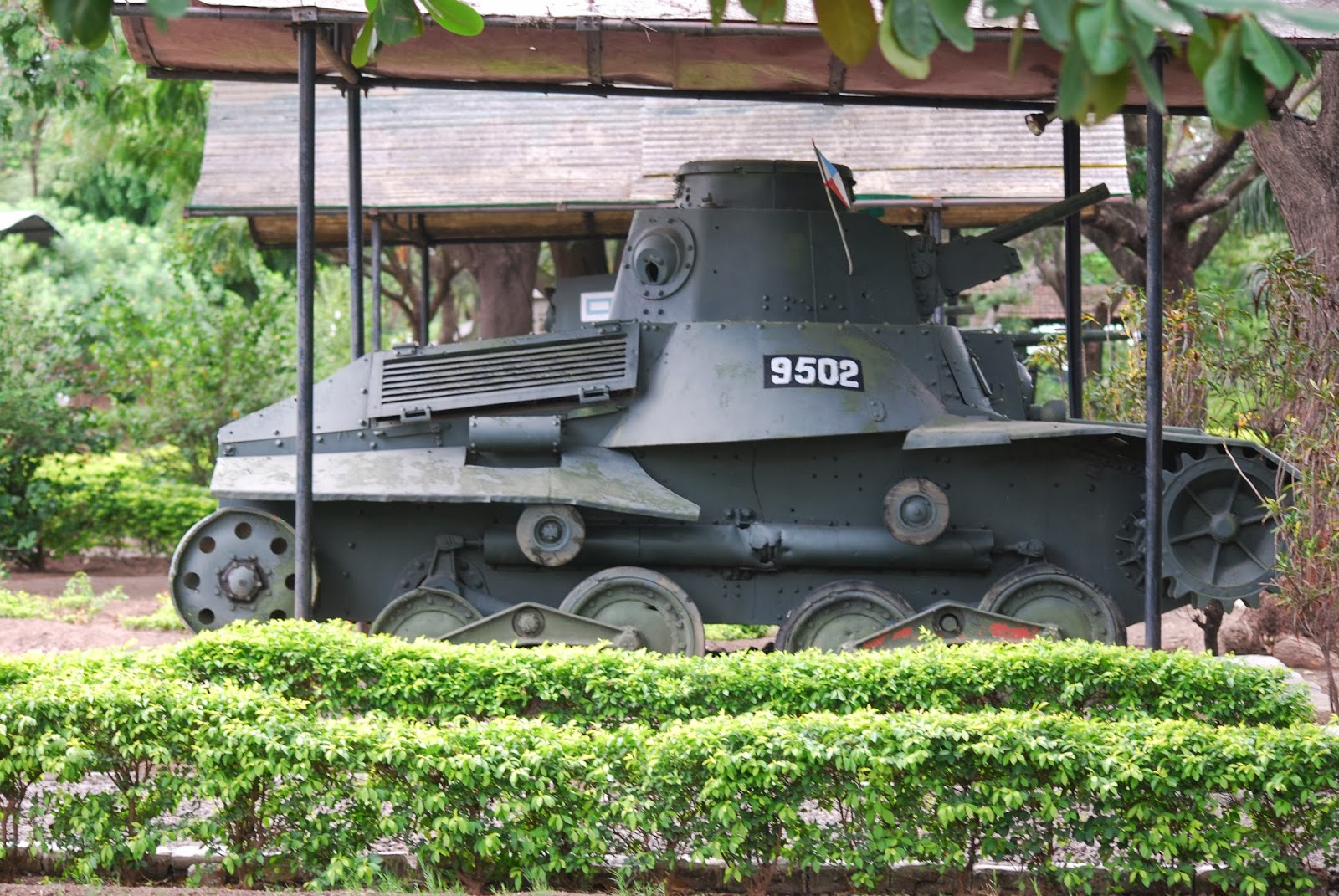


Some of the more notable tanks you come across are the Patton, Chaffee, British Mark, German Panzers, Canadian Fox, Soviet and British tanks as also a Rolls Royce. The Museum has been maintained very well and is definitely worth a look while in Ahmednagar.


Friday, 20 December 2013

4 River Confluences


Where Mandakini meets Alkananda – the holy confluence at Rudraprayag.  The Alaknanda originates from the Alakpuri glacier, flowing down Badrinath while the Mandakini flows from Kedarnath. After Rudraprayag the river is known as Alaknanda. There is a Shiva temple located at the confluence, Shiva being referred to as Rudranath here.  


The deep blue waters of Indus meet the Silt rich waters of the Zanskar 3km southeast of Nimmu village in Ladakh. The lifelines of 2 neighbours (Indus for Pakistan and Zanskar for the people of Ladakh) this confluence can be truly considered a symbol of Unity for the 2 nations
Bageshwar – a little known town in Uttarkhand is the site for the confluence of the Gomti with the Sarju river which is a tributary of Sharda or Kali river. Though this confluence may not have the same religious significance as the Panch Prayags, it is still revered by the locals
Nandaprayag – where Nanadakini meets the Alaknanda… the King Nanda performed a fire-sacrifice here and sought blessings of the Lord, hence this confluence is so called

Wednesday, 18 December 2013

Ascetics in Benaras


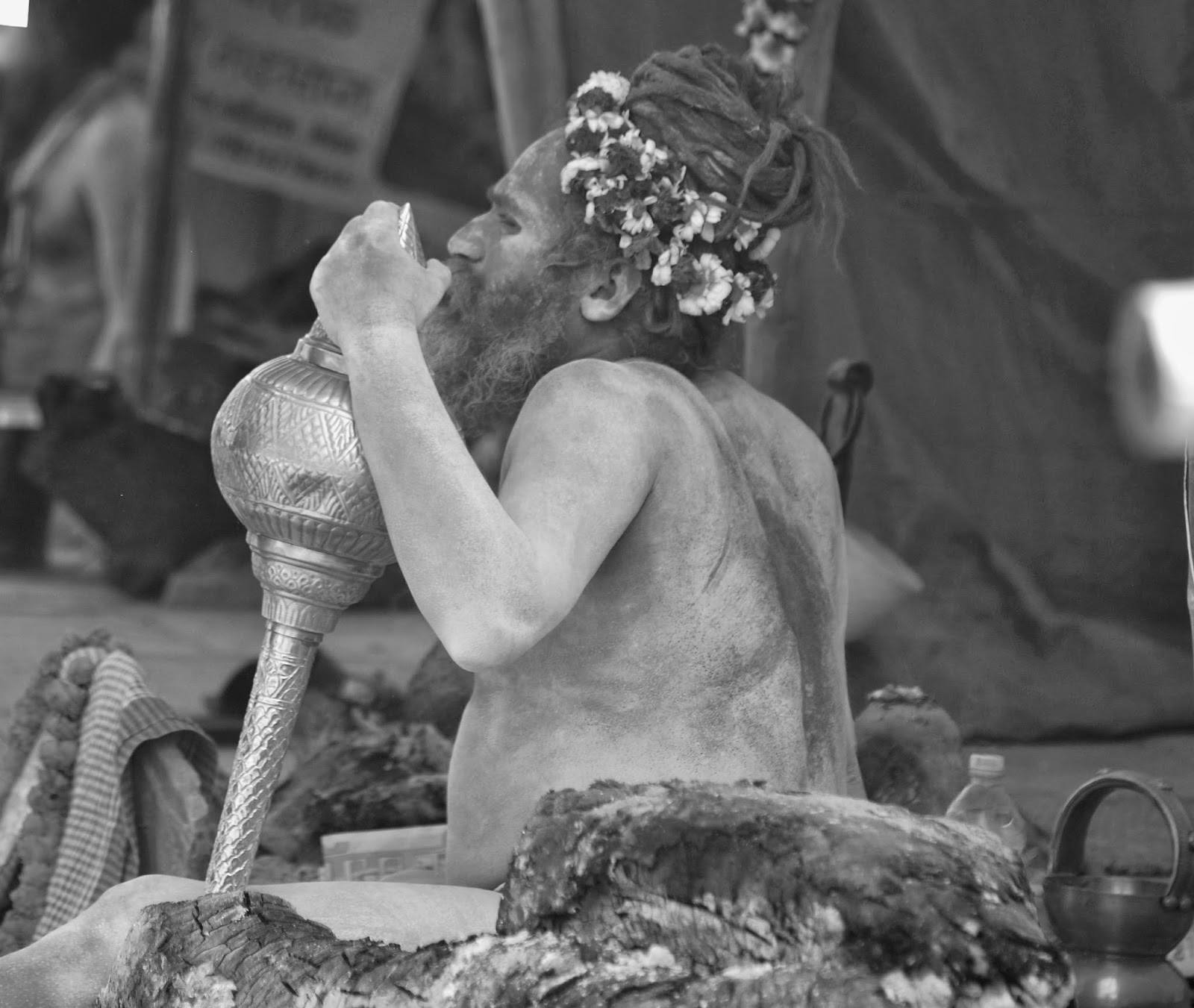
Benaras Ghats post conclusion of Allahabad Kumbh in 2013 had become a confluence of Ascetics – the Young and Old, Nagas and Sadhus, Aghoris and Hath Yogis, Shaivas and Vaishnavas all in full religious fervor had descended on the Ghats


A Naga and his followers
Seeking alms from passerbys


We were amongst the lucky few to be in their presence. The Nagas were in majority, pitching their tents at conspicuous points, their bodies smeared with Ash with not a piece of cloth to cover them, some were adorned with Rudrakhsa beads, some had partial saffron clothing, aggressive and unpredictable, with a puff of chillum, they were holding court inside their tents, asking alms from devotees who had come to seek blessings, a way of life few would dream to follow, with no one daring to go against them, they follow their own law.


A Smoke with a Companion


One of the more polished Babas


You have to pay for your food

An Aghori preparing his lunch on Harishchandra Ghat

Monday, 16 December 2013

Daulatabad - Tughlaqs City of Fortune


Located around 13kms from the city of Aurangabad, this majestic fortress was built by the Yadava dynasty around 1187 AD.  Originally known as 'Devigiri' when it was formed by its original ruler, it passed through several hands and witnessed quite a bit of history in its wake. Post the Yadava dynasty, during the reign of Sultan Muhammad-bin-Tughluq, the city was named Daulatabad or the city of fortune' who made it his capital and shifted the populace of Delhi to it. But due to shortage of water, the capital moved back to Delhi and gradually its popularity faded.  The fort is unique in its architecture is that it has been built on the Top of a Hill making it impregnable. The has been maintained very well considering the historic significance it holds


The Entry to the Fort
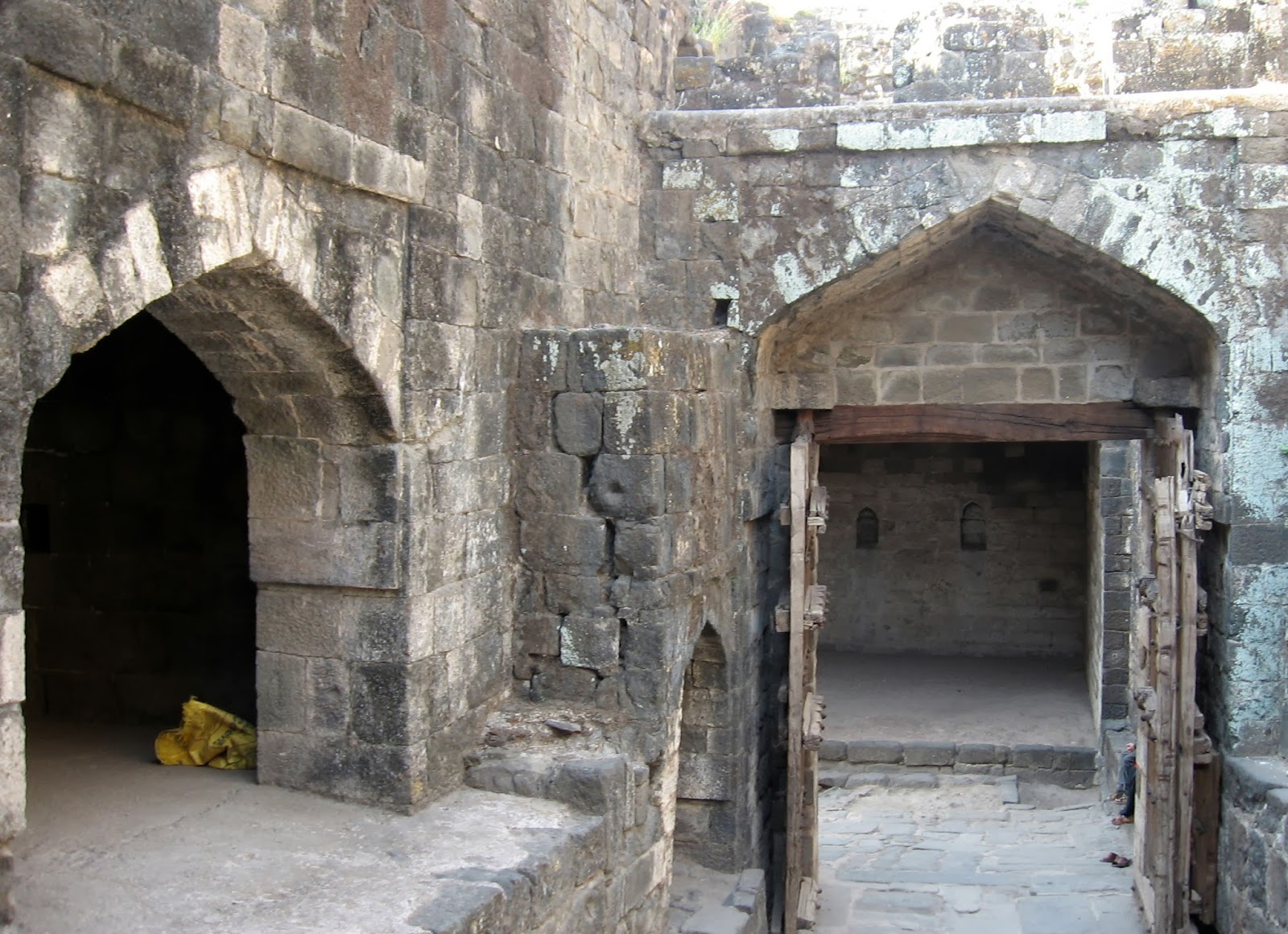
Thick wooden doors reinforced by strong nails make it difficult to break through for an enemy

Built on a high conical hill, the fort was defended by Moats which during its heydays would have been teeming with crocodiles. The defense system was complex and intricate; enough to confuse any enemy who managed to breach its entry with fortifications of thick lofty encircling walls.
The defense mechanism had Guardrooms at passages, Openings on Walls and Doors for Artillery and doors studded and Spiked for deterring War Elephants   

A War Elephant Engraving on both sides of the Entrance


The Watch Tower

The Artillery on display


You may find numerous Temples, Mosques and Old structures within the ramparts but the most noticeable monument here is the Chand Minar which was built by Sultan Ala-ud-din Bahmani (Sultan Ahmed Shah II) in 1447 to commemorate his victory. Its height (30metres high and 21metres in circumference) and bright color make it visible even from a far distance


The Pillared Bharat Mata Temple is definitely worth a look. With its Secular look, it may be the only such temple in India


At the end of it all, you realize that you have experienced and witnessed a long span of history from the time of its inception to the rule of multiple dynasties such as the Marathas, Sultans of Delhi, the Mughals and the Nizams.